The Pakistani man from Germany was ceaselessly inquisitive about the state of business in Malta. "I'm looking to start a new business here, maybe a shawarma shop, maybe an Indian restaurant. What do you think about the possibility of success?" He asked before proudly explaining the scale of his import-export business in Germany and the good pay his nephews are getting in Malta as signs that he has a pretty good shot at making it as a business owner in Malta too.
Bidding goodbye to the man as I stepped off the bus, I felt the initial joy of meeting an optimistic hustler replaced by something a bit less sanguine in retrospect. Thinking back to our loud and carefree conversation minutes ago, I had forgotten that it took place in a bus full of people on their way to or back home from work. Many work in exactly the professions the Pakistani man hoped to join, at the wage levels the two of us derided as being so low.

The Maltese are particularly justified in feeling anger upon overhearing conversations like the one I had on the bus. Who are we to ignore the very privilege of being able to come and live in their country and then call its residents low-paid and low-spending? Sure, the personal finances of some people on these islands may not be ideal, but the overall economic success of the country owes their willingness to toil under such conditions. After all, so many other people elsewhere suffer much more.
As I imagine more and more the details of how I would feel if I had been a person listening rather than talking on the bus, the less appreciative I became of my own behavior. Perhaps I did make rational comments based on logical expressions, and the comments ultimately did help the Pakistani man. But could I have made the same points without being so critical to the point of being misconstrued as utterly ungrateful and even racist? If not, many words may have been better left unsaid.
I also recalled the recent words uttered by Ukrainian president Volodymyr Zelensky during his press conference with US president Trump at the White House. He made valid points about how Trump's ambiguous diplomatic stance is hurting Ukrainian war efforts but did so in a highly combative fashion to a man he knows to prefer being praised than argued with. It did not matter whether what he said was logical or even correct; the undiplomatic posture he took would hurt him regardless through a broken relationship.
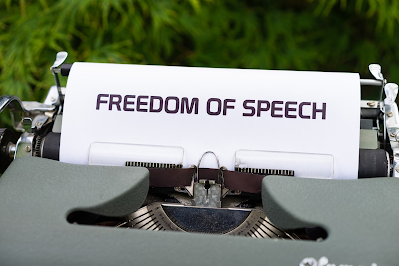
It is a lesson for the future. Before I focus so much on making friends and being logical, I ought to survey the physical environment that I am in. Are there people who would potentially be offended by my comments, however well-intended they originally seemed to me when I voiced them so publicly? If the answer is even remotely a yes, then it may be intelligent that I self-censor without compromising my own beliefs, or at least use words that are more diplomatic and less explicit. Freedom of speech is great, but if nothing is gained by saying something why say it?
Comments
Post a Comment